
Halls and main entrances
The recording of entry and exit, in conjunction with the door-barrel system, is the first line of defence for building security.
Upgrading of public security for Owners’ Corporation and property management - system planning, installation to private compliance support
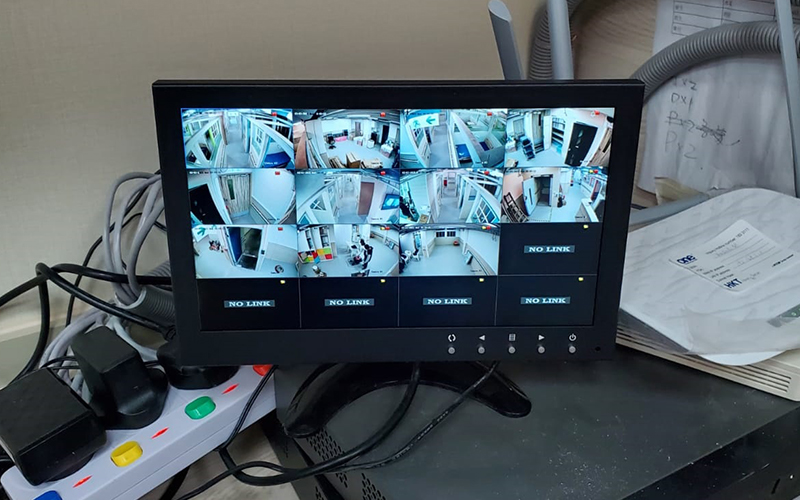
Yat Full provides CCTV (CCTV) system planning and installation for the building industry, covering the monitoring coverage of public corridors, entrances, garage and facilities, to assist Owners’ Corporation and to upgrade security levels in property management.Electricity ProjectWork together to reduce the cost of duplicating and coordinating.
Services include system design recommendations, installation of mirrors and video equipment, routing, operational training and regular inspection maintenance, and liaison assessments are welcome if the old system-digital high programme is to be upgraded.
CCTV is a weak power system, but mirrors, video cables and network equipment need to stabilize electricity, suitable cables and water treatment. Yat Full has been dedicated to building the power system and water pump control system since 2002 and 2 years.Hong Kong Hydropower Engineering CorporationAcquainted with the circuits of building cables, plating houses, rooftop and public corridorsElectricity system installationSynchronized planning of CCTV power sources and line at the time of refurbishment was completed once.
The mirror photographs only public places, avoids photographing of household units and windows, and avoids installation in locations where individuals have reasonable expectations of privacy
The recording of entry and exit, in conjunction with the door-barrel system, is the first line of defence for building security.
Monitoring of various levels of public corridors and precipitation sites to help deal with incidents such as breeding, theft and high empty stoves.
It covers vehicle entry and exit points and rears to assist in the processing of vehicle flowers, illegal parking and theft.
The Office of the Privacy Commissioner has guided the installation of CCTV to investigate high empty objects as an example of the collection of clear video personal data that is subject to the Privacy Ordinance.
Monitoring of access to key facilities rooms, and coordination of the roof valves with security requirements that are often locked and safeguardedLarger switchboardWater pump equipment.
Assisting property management in dealing with illegal discards, casualty, etc., and security damps.
By building structure, security needs and budget, it is recommended that the number, location, direction of coverage, video recording equipment and storage arrangements, and that Owners’ Corporation be provided with clear coverage in the text of the resolution.
Installation of mirrors, video mainframes, monitors and network equipment and processing of power supply, water prevention and fixtures.
Planning of telecommunications and power lines, making maximum use of existing cables, and public lighting and otherElectrical system retrofittingSimultaneous construction.
An assessment of the mirrors, lines and video equipment of the existing alpha-based system, proposing upgrades to digital high-size programmes, using existing cables as far as possible, depending on the circumstances of the site.
The process of approval of Owners’ Corporation is coordinated with the Owners’ Corporation for the presentation of the system ' s operations, op-eds and remittance procedures for management staff.
Periodic examination of the mirror image, the normality of the video, the accuracy of time, hard condition and circuit receptacle may be linked toElectricity and water pump maintenance contractArrangements are made.
A number of Owners’ Corporation is in progressRising Mains Replacement、Switchboard ReplacementWhen public lighting is refurbished, the CCTV line was found to be opened separately, power parked, and the contractor coordinated. Yat Full, together with electricity and CCTV works, could be planned.
CCTV Electricity supply of equipment is part of the building of a public power facility, in WR2 Periodic examination of electrical installationsIt will also be included in the scope of the inspection. Yat Full, when designing CCTV power sources, will ensure that there are appropriate protection devices and signs on the way back, in line with the requirements of the Electricity (Travel) Ordinance, and avoid any disqualified project that will later become five years ' screens.
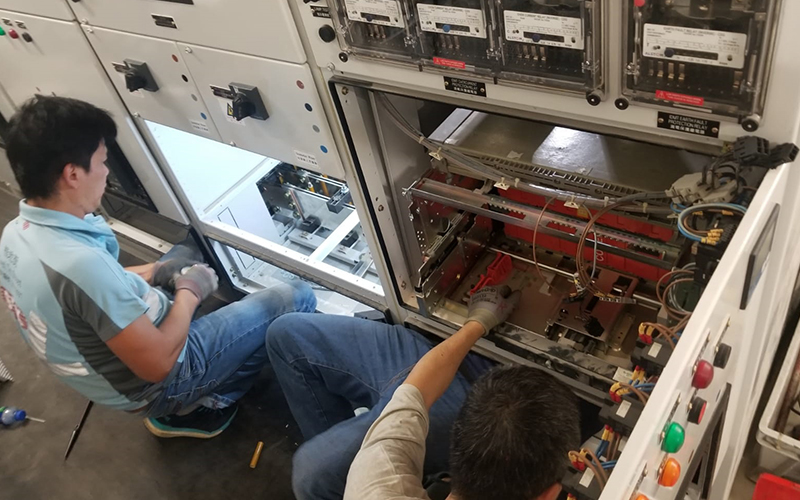
The building ' s cantons, elevators, corridors, rooftops, garage and backbone are public places, and Owners’ Corporation has legal responsibility for properly managing and repairing the public portion of the building, and Owners’ Corporation can be bound by resolutions on control, management, refurbishment and improvement of public utility components.
The establishment of the CCTV system generally involves changes in the public sector and sustained expenditure, often through the introduction of a programme by the CMC to be determined in accordance with the regulations and the procedures established by the Public Order, and it is recommended that the text of the resolution be clear:
If the value of the procurement is at the threshold of large procurement under the Building Property Management Regulations, Owners’ Corporation is required to bid for delivery in accordance with the Code of Conduct on Procurement of Supply, Goods and Services.Owners’ Corporation is required to bid for the procurement of electrical works。
The Good Practice Guidance of the Property Management Authority requires the licensee to ensure that CCTV, which is installed in the public domain of the property industry, is placed in an appropriate place to avoid unnecessary infringements of the privacy of others and must be clearly informed that the person concerned is being monitored by CCTV.
In October 2002, the Office of the Commissioner for Personal Data Privacy issued the " Guidelines for the Use of CCTV " (Revised III). The Privacy Ordinance does not prohibit the installation of CCTV, but if the system can photograph and store the videos of others for identification purposes, it involves the collection of personal data, which users (e.g. Owners’ Corporation and property management) are subject to the principle of six safeguards.
Pre-installation should be objectively assessed: the question to be dealt with is serious, the CCTV is effectively solved and the method of private invisibility is not violated. Record recordings are usually considered to be of a high degree of privacy and should be avoided, and the use of human identifiers or traceability functions must be adequately justified.
Installation or use should be preceded by a privately concealed impact assessment, taking into account the function of the user of the information, the nature of the personal data involved, the number of affected persons, the harm that may be caused by improper handling of the information, and the employment of the information processor.
It is particularly important to inform the affected persons when the mirror is located in an concealed position, when it is clear that the scope of the monitoring includes information on the operator of the system, contact information for those responsible for dealing with private cover issues and specific purposes of the monitoring.
The CCTV Monitoring Policy, which covers the type of personal data held, the purpose of collection, the possibility of disclosing the person and the retention policy, and the provision of training and supervision to staff members of the operating system or access to the photograph.
Personal data should not be kept longer than required for the purpose to be achieved. If no security incident report has been discovered or received, the portions of security uses should be destroyed periodically and reliably, and when hiring a contractor to maintain or upgrade the system, the time of its retention should be regulated by agreement.
The static storage and transmission period should be subject to encryption; the storage of hard latrines should be stored at the locking facility, with limited access to authorized staff; the access, transmission and transfer of record-keeping systems and storage devices; and the use of cutting-edge storage must ensure that suppliers have adequate security measures.
Footage may only be used for the purpose stated when it was collected, or a directly related purpose. It must not be publicly released or uploaded to social media without justification. Disclosure without consent that causes specified harm may constitute a doxxing offence, carrying a maximum fine of HK$1 million and five years’ imprisonment.
When a law enforcement agency, such as the police, requires a criminal investigation of a piece, the information user may consider invoking the exemption clause in article 58 (2) of the Private Instruction Ordinance to provide the relevant paragraph with the express consent of the person who obtains the information.
Regular follow-up reviews to review whether the effectiveness of security measures and the continued use of CCTV are still in line with the original purpose; if so, they should be discontinued.
The above-mentioned summary, which is guided by general reference and is not a legal opinion, should be consulted by Owners’ Corporation and property management in the full text of the latest instruction of the Office of the Privacy Commissioner, and, if necessary, independent legal advice.
Owners’ Corporation is assisted in dealing with high empty effluents, theft and breeding, taking into account the privacy of the household.
CooperationCommercial Electricity ProjectConstruction at non-office time reduces the impact on tenants; it covers the canteens, pallets and logistical accesses.
CooperationEngineering Electricity ProjectPlanning for the inspection of cargo handling areas, parking areas and public corridors and the selection of suitable protective hierarchical equipment in poorer environments.
CooperationSchool Electricity ProjectLeave works, covering access and public coverage, with special attention to privacy considerations involving minors.
The following are CCTV system graphics, and the actual engineering programme is designed on the ground of building
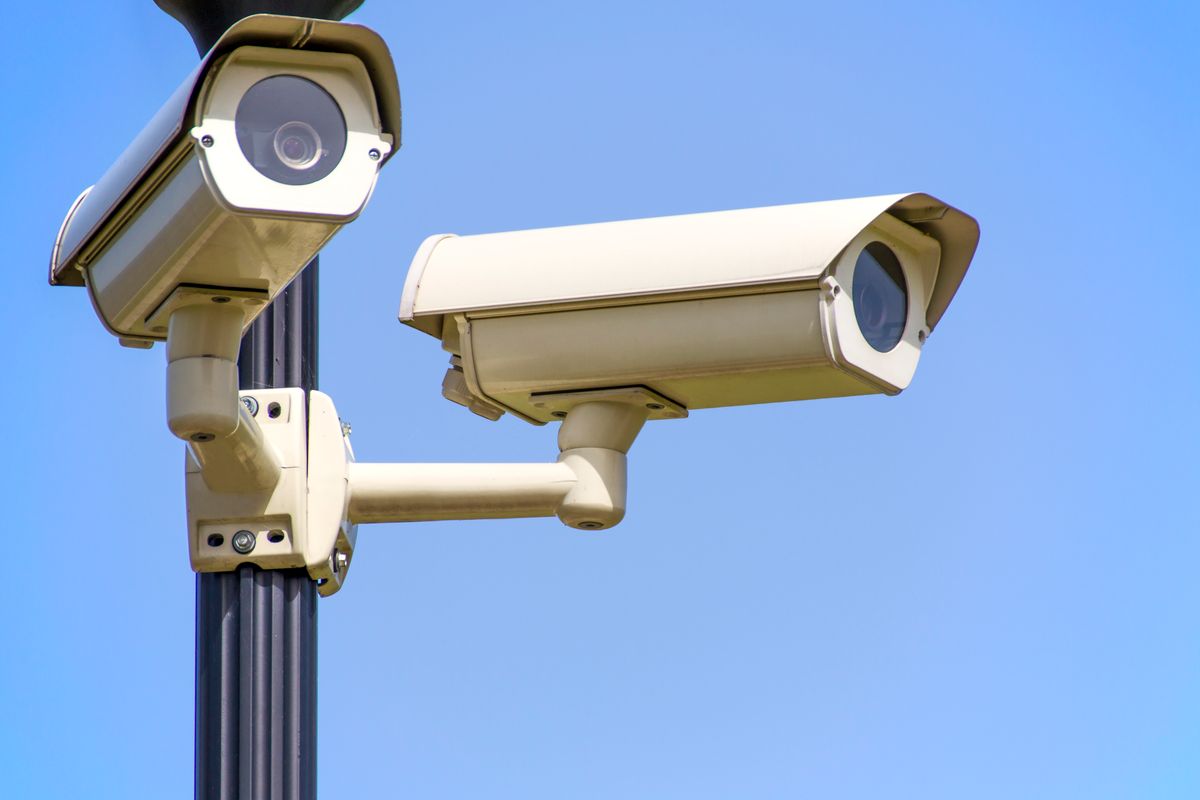




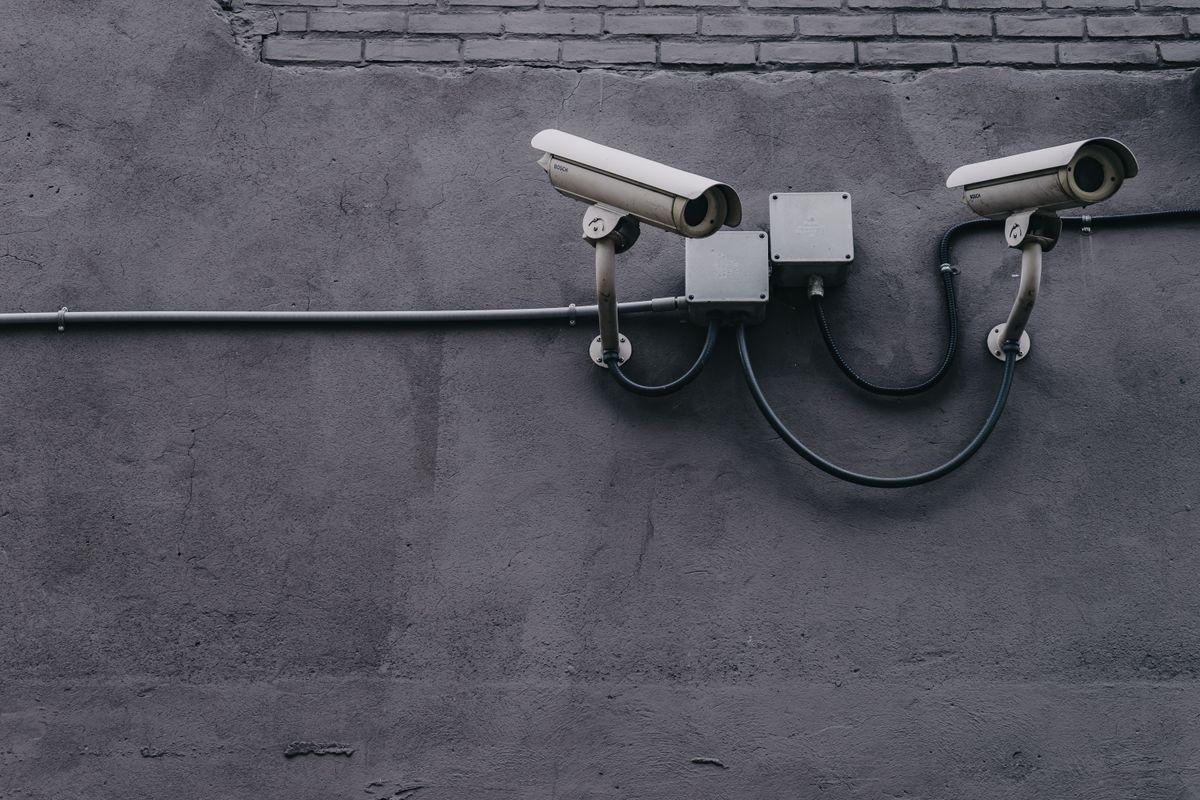
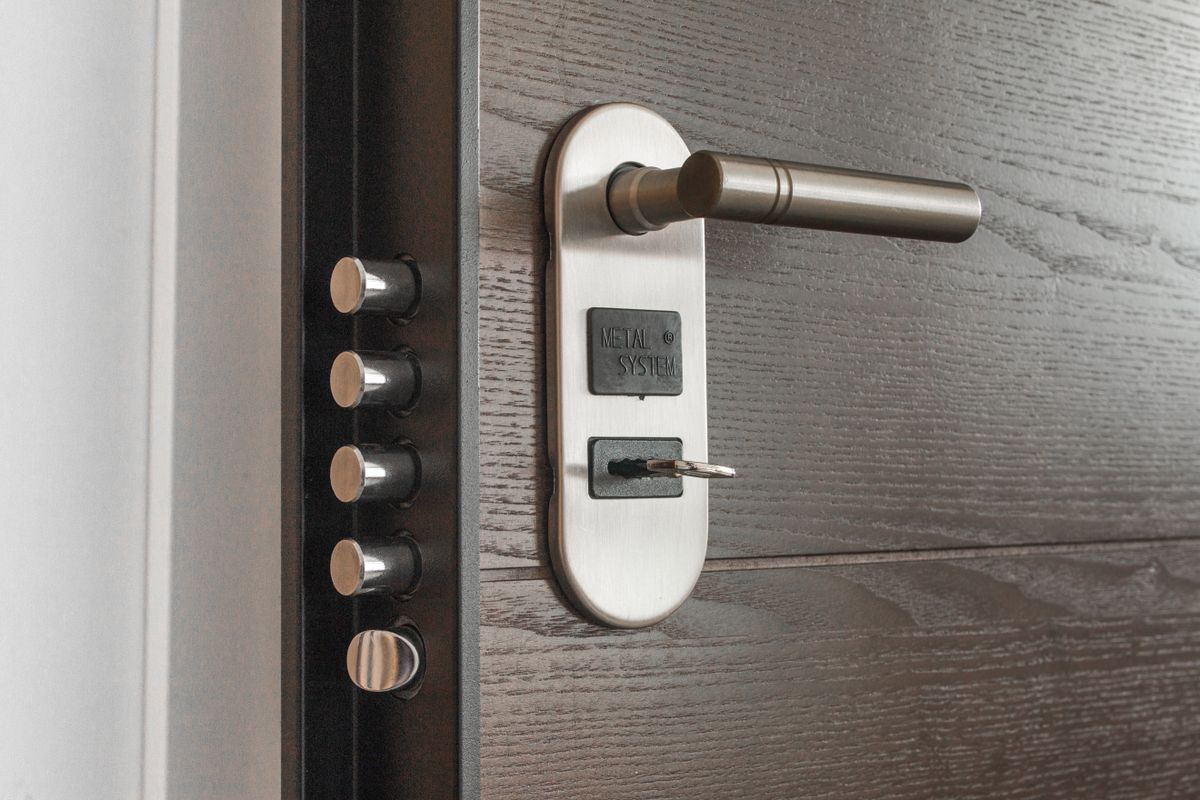
Photo Source: Unsplash/Pexels (free graphic bank) for service announcement purposes.
Electricity 3165 8142 or e-mail ip@yat-full.comDescription of building and security issues.
Visits to public places, existing cables, electricity location and management office equipment to assess the status of old systems.
Recommended mirror position, quantity and equipment to provide sub-quotations to facilitate Owners’ Corporation resolution and tendering.
Owners’ Corporation is determined in accordance with regulations, deeds and procurement regulations, and establishes private concealment policies and disclosure arrangements.
The installation of mirrors, lines and equipment could be carried out during the same period as the electrical works; the testing of videos, video recordings and time synchronization.
Operational training is provided to the Management Service and is subject to regular inspections and maintenance.
Building blocks, corridors, elevators, rooftop and parking are public components, and their management and changes are subject to the Building Property Management Ordinance (chap. 344) and the building public order. The installation of CCTV generally involves changes in public use and sustained expenditures, often through the Owners’ Corporation Management Committee, which makes a programme to manage the human rights provisions of regulation, decoration and procurement;
The private concealment regulations do not prohibit the installation or use of CCTV, but if the CCTV system has a video function to photograph and store images of others to identify their status, there is an opportunity to involve the collection of personal data, and users of information (e.g. Owners’ Corporation or property management companies) are required to comply with the private concealment regulations and the principle of the use of CCT in October.Privacy guides focus。
The private concealment regulations do not contain a fixed number of days, but principle 2 (2) of the safeguards provides that the preservation of personal data should not exceed the time required for the purpose to be achieved. In the absence of a report of a security incident, the CCTV paragraph, which is used for security purposes, should be destroyed periodically and reliably. Owners’ Corporation or property management should establish a written reservation policy.
It is necessary to ensure that principle 1 (3) of the information requires that the information party be informed at or before the collection of personal data, effectively by placing clear warnings within the scope of the monitoring, and that it should include information-users operating the CCTV system, contact information for persons responsible for dealing with private concealment issues, and specific purposes of monitoring.
It may be considered that, under article 58 (2) of the Private Instance Ordinance, for the purpose of preventing or detecting crimes, the user of information, if there are reasonable grounds to believe that the lack of information is likely to harm the matter, may, with the consent of the party to the information, provide the relevant CCTV paragraph to the law enforcement agency.
CCTV ' s mirrors, video equipment and network equipment need to stabilize electricity supply and cable walks, often overlapping with the pathways and power-free arrangements for building public lighting, main switchboard and electrical rising mains works. Yat fully has experience in electricity and weak electrical works.Electrical MaintenanceThe main switchboard or electrical rising mains were paved with CCTV lines and power sources during the same period of replacement, reducing duplication of drilling, power cuts and contractor coordination.
Yat Full can assess the mirror, route and video recording of the building of existing alpha-based systems, make recommendations for upgrading to digital high-size programmes and minimize the scope of the work, depending on the circumstances of the site.
WR2 Electricity Inspection, electrical rising mains replacement, building main switchboard replacement and refurbishment of the electrical system.
For further information
solar energy power plant design, installation and maintenance.
For further information
Owners’ Corporation and property management electricity and water pump maintenance contract, engineering tender support.
For further information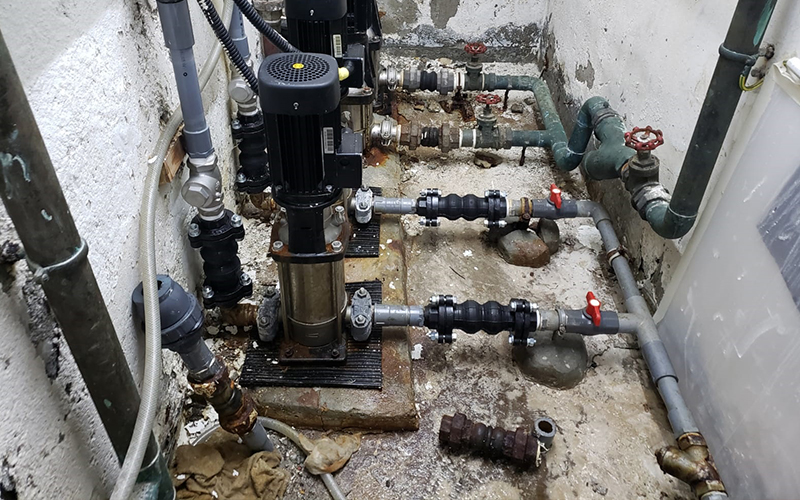
Intelligent digital water pump control system installation, water pump system maintenance and maintenance.
For further informationElectricity 3165 8142 or enquiries form, Yat Full provides CCTV programme recommendations for Owners’ Corporation and property management, and may work in conjunction with building electrical engineering.