
solar energy plate (light abundance)
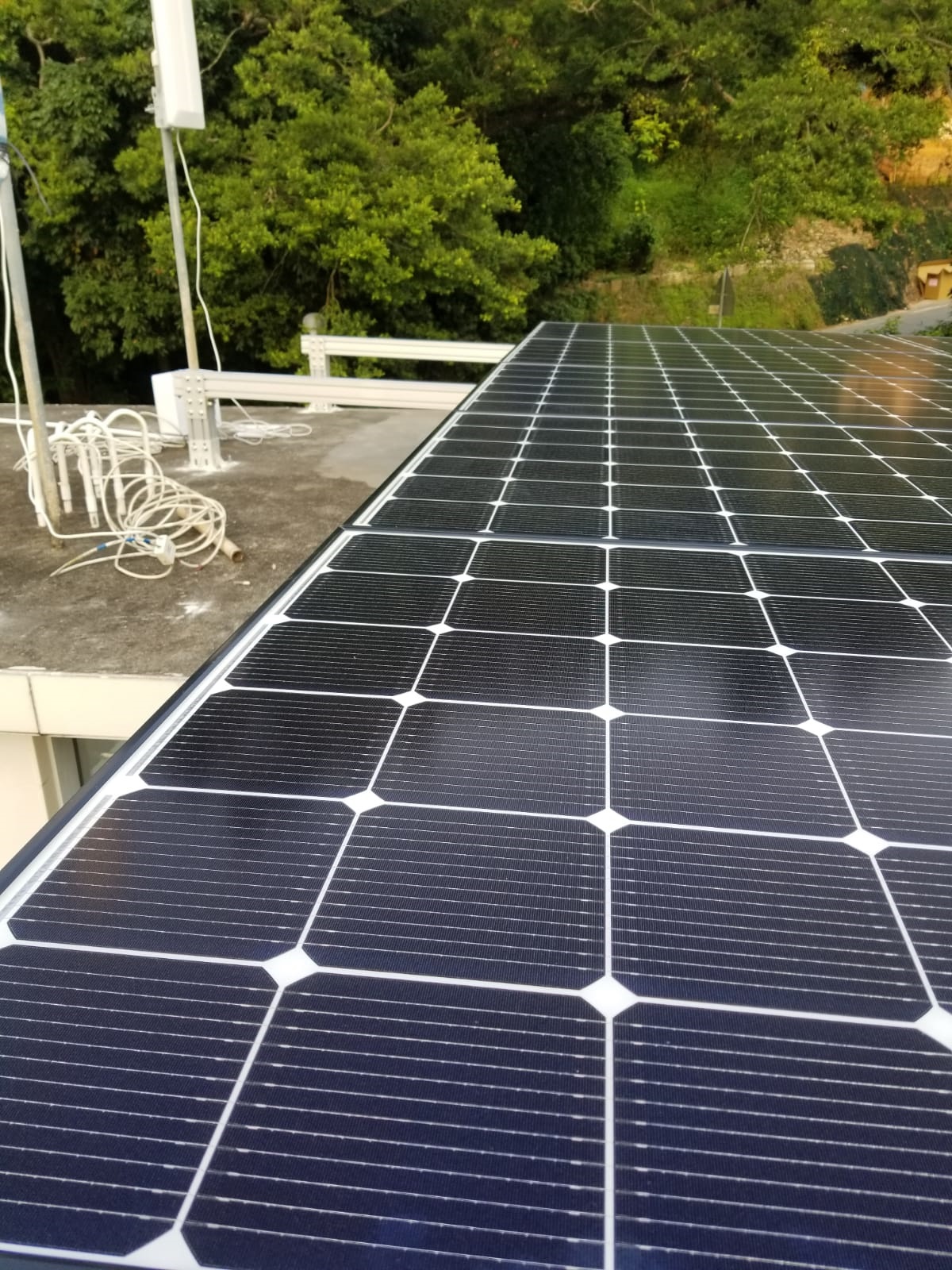
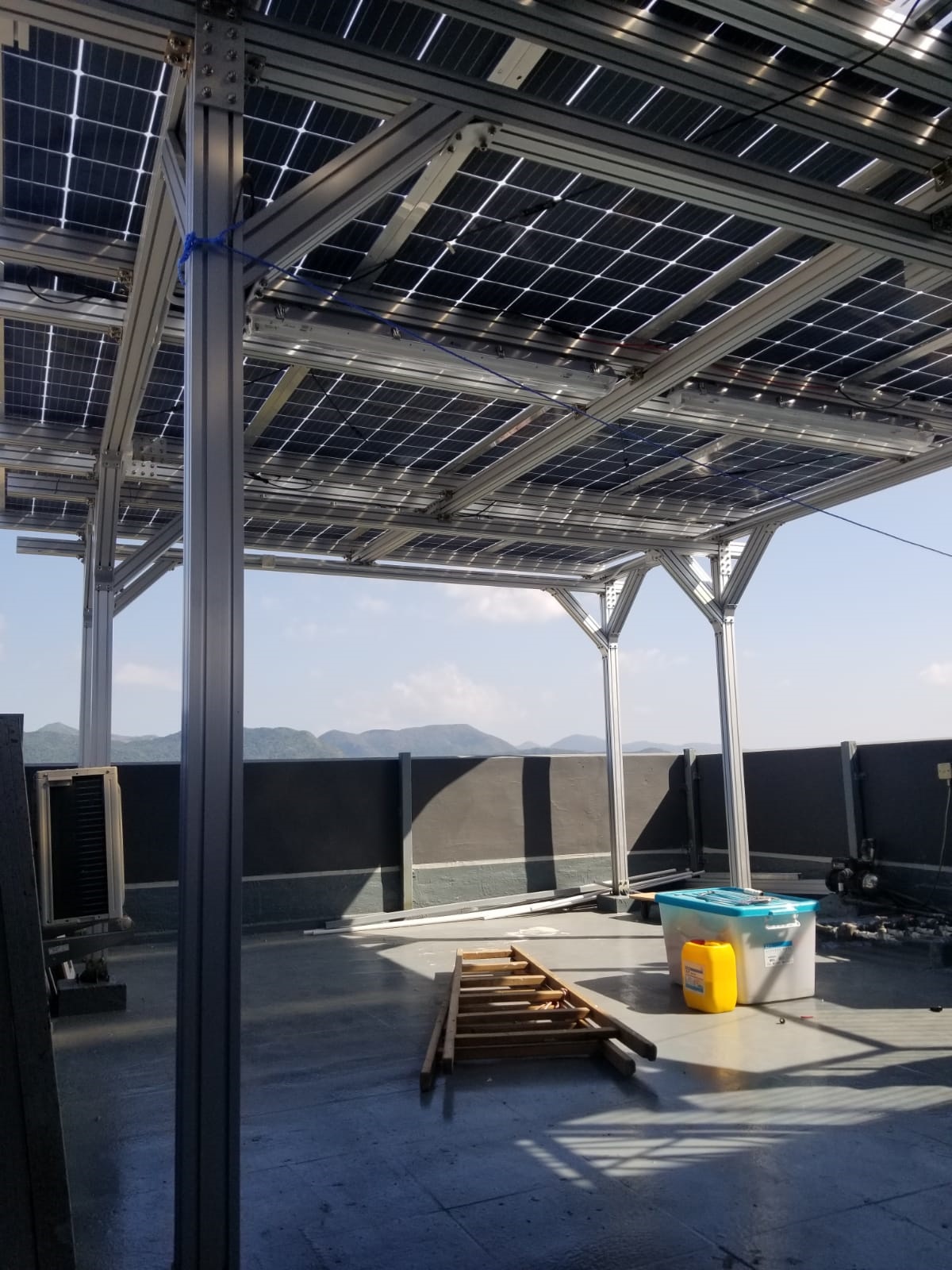
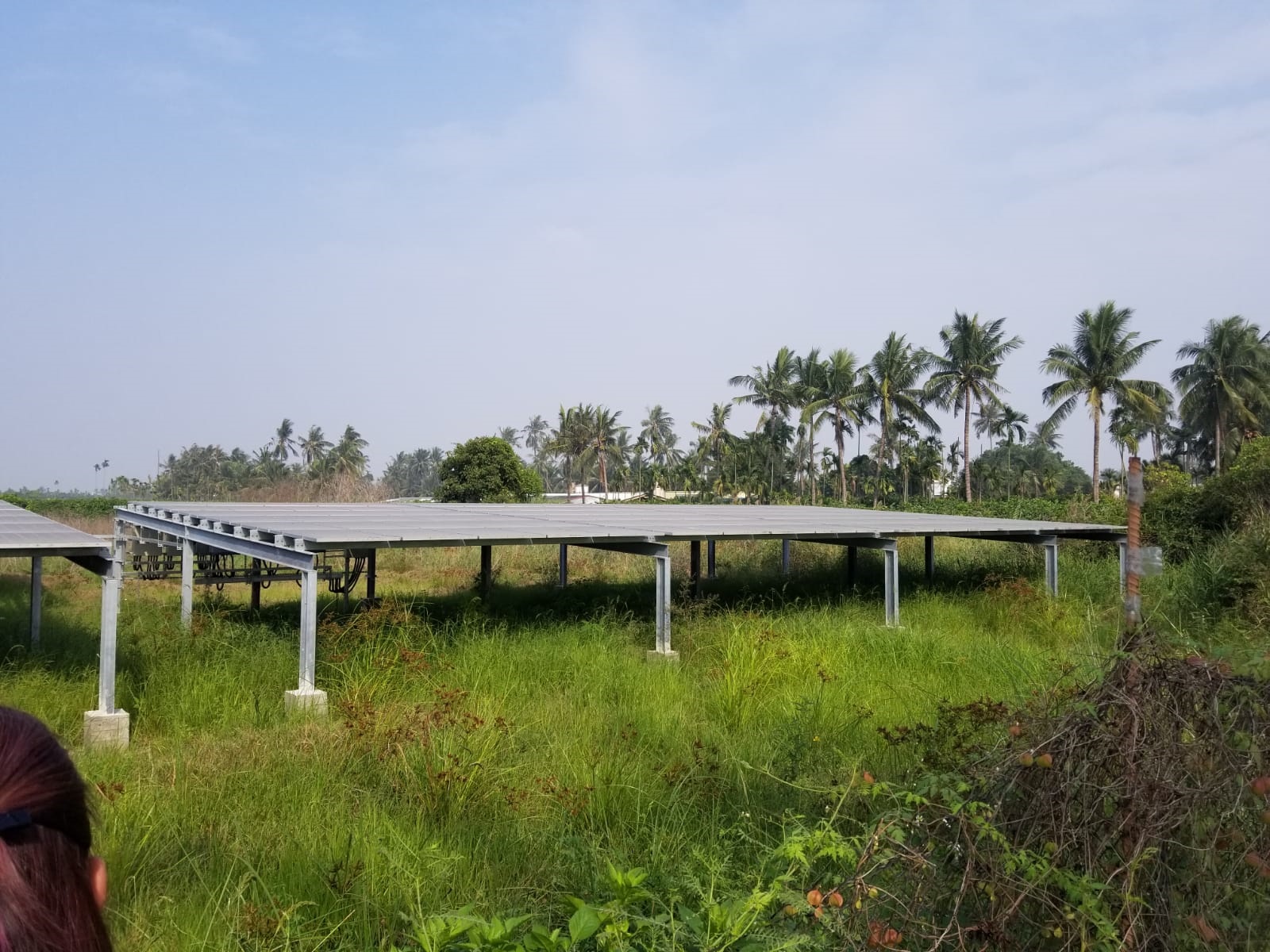
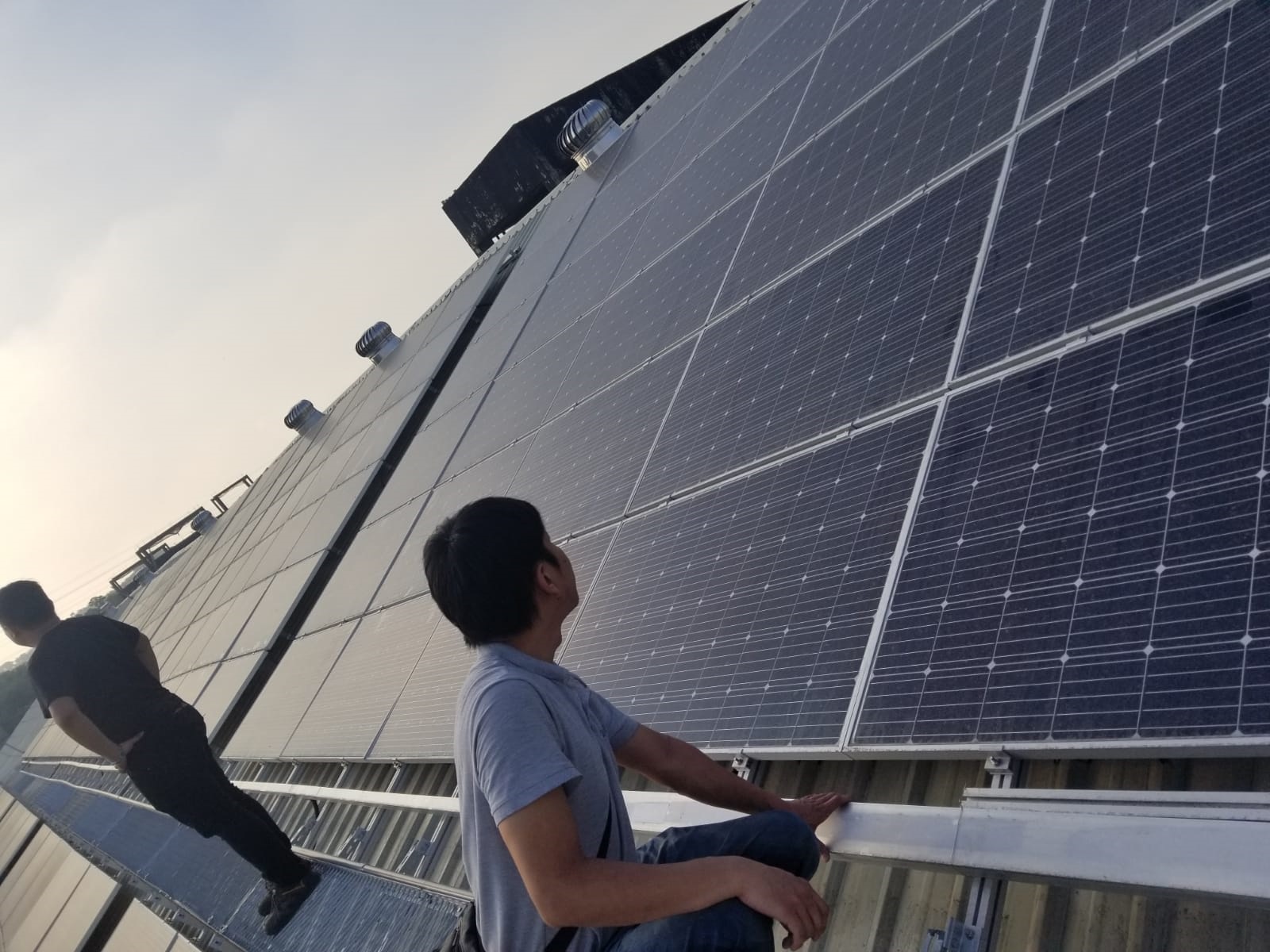
Converting the sunlight into a fluid fluid, generally installed in rooftop or lift plating, in quantity and ranking of the area of availability and direction.
Assistance in the use of renewable energy - applications for electricity work by rooftop assessment, system installation, electrical grid access to feed-in tariff
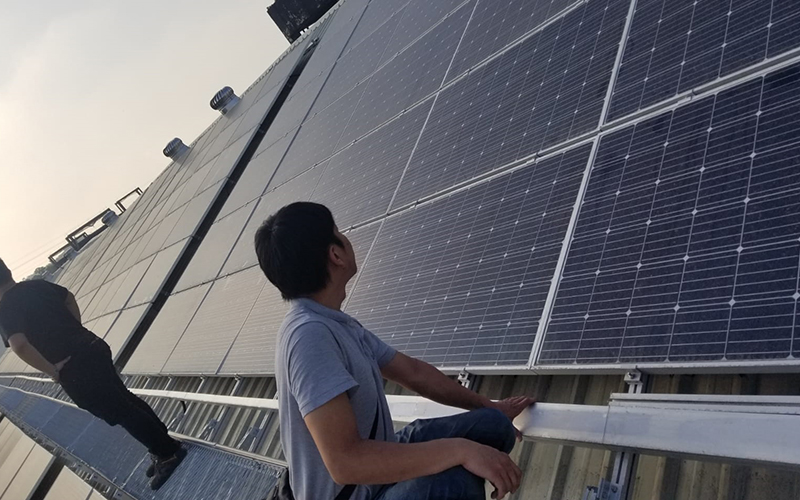
Yat Full provides solar energy systems design and installation to assist the industry in the regeneration of energy and to ensure safe and stable operation in conjunction with the electricity engineering profession. The solar energy photovoltaic system is essentially a set of power-system-system-based installations that are receptive to the building of electrical installations, depending on whether it works properly with the main switchboard, the distribution of appliances and the receptacle.
Yat Full since its inception in 2002Repair of the main electrical systemNearly five hundred buildings have been repaired and familiar with building roofs, main switchboards and public power installations, a experience that has enabled us to take into account, when planning solar energy systems, the capacity to build existing electricity systems, protection devices and subsequent WR2 inspections.
The feed-in tariff scheme is a measure to promote renewable energy under the Control Plan Agreement, and the installation of solar energy or wind power systems at the site can sell renewable energy produced to electricity companies at a higher level than the general electricity cost.
System power generation capacity equal to or less than 10kW
System-based power generation capacity is greater than 10kW but not more than 200kW
System power generation capacity of over 200 kW, but not more than 1MW
Renewable energy systems can obtain feed-in tariff throughout the project use period until the end of 2002/03
Feed-in tariff per system-generated electricity is available; the amount of electricity used in the premises is at the rate applicable at the time
The objective of price creation is to allow the owner to recover the cost of the system and the costs of installation, operation and maintenance within approximately 10 years (depending on the actual situation)
The above price came into effect on 27 April 2002, when the project charged the price to be applied when starting to participate in the scheme. The feed-in tariff is reviewed periodically and is subject to the latest publication by the Government and the electricity company.
Under the Exemption Tax ( feed-in tariff scheme) Order, individuals can be exempted from feed-in tariff revenues collected from the tax declaration by installing renewable energy systems and participating in the feed-in tariff scheme in their residential premises (rather than in the operation of other operations).
EMSD Hong Kong Renewable Energy Net hotline: 6395 2930; CLP Power: 2678 0322; HK Electric: 2510 2701.
According to the Hong Kong blueprint for Climate Action 2050, the Government will seek to increase the share of renewable energy in the power-generating fuel portfolio from less than 1 per cent to 7.5 per cent to 10 per cent by two or three years, and the distribution of solar energy is an important part of this goal.
Converting the sunlight into a fluid fluid, generally installed in rooftop or lift plating, in quantity and ranking of the area of availability and direction.
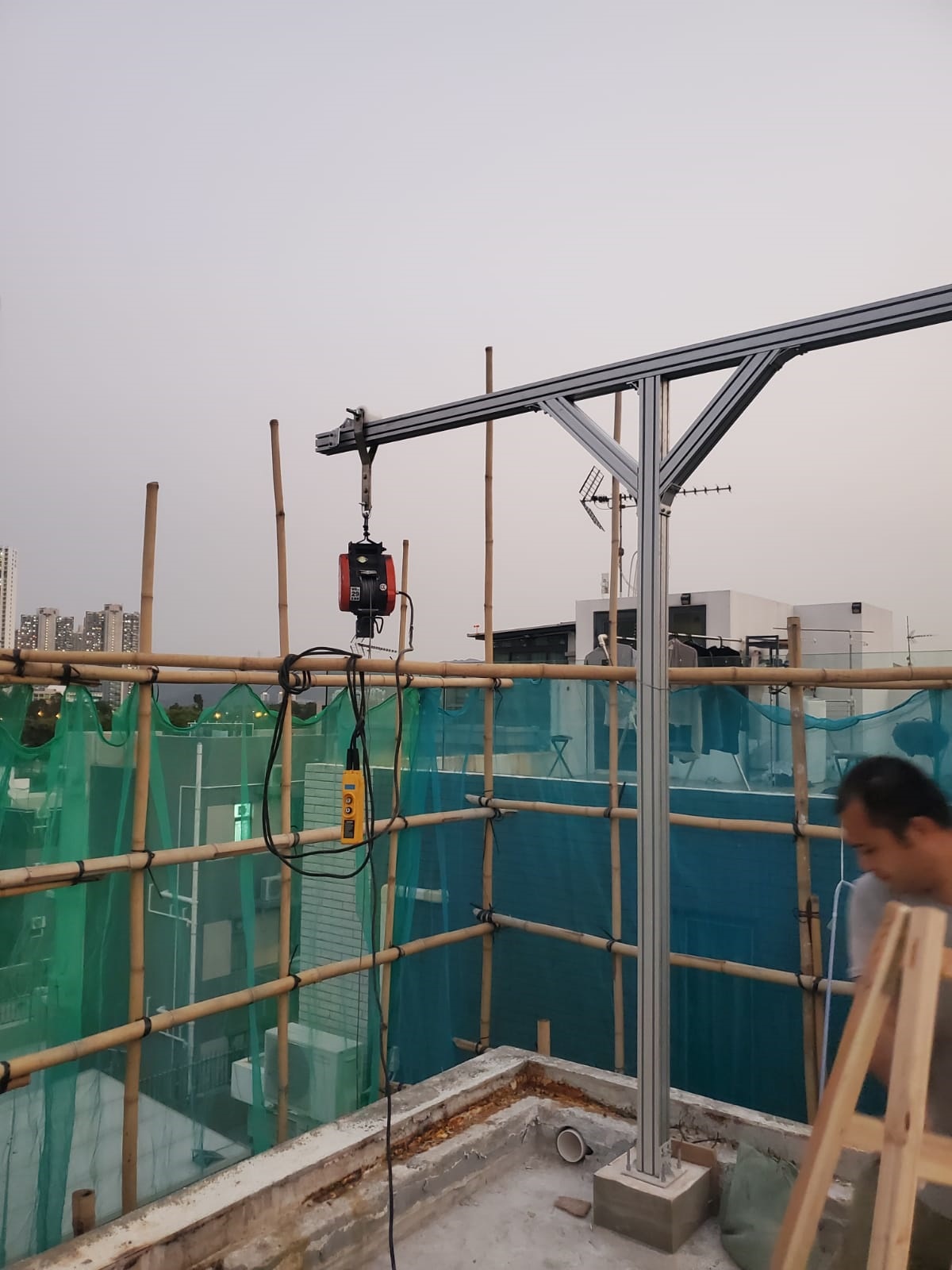
The structure of the fixed solar energy plate is subject to consideration of the rooftop payload and tetanus, which is highly restricted by the ISA.
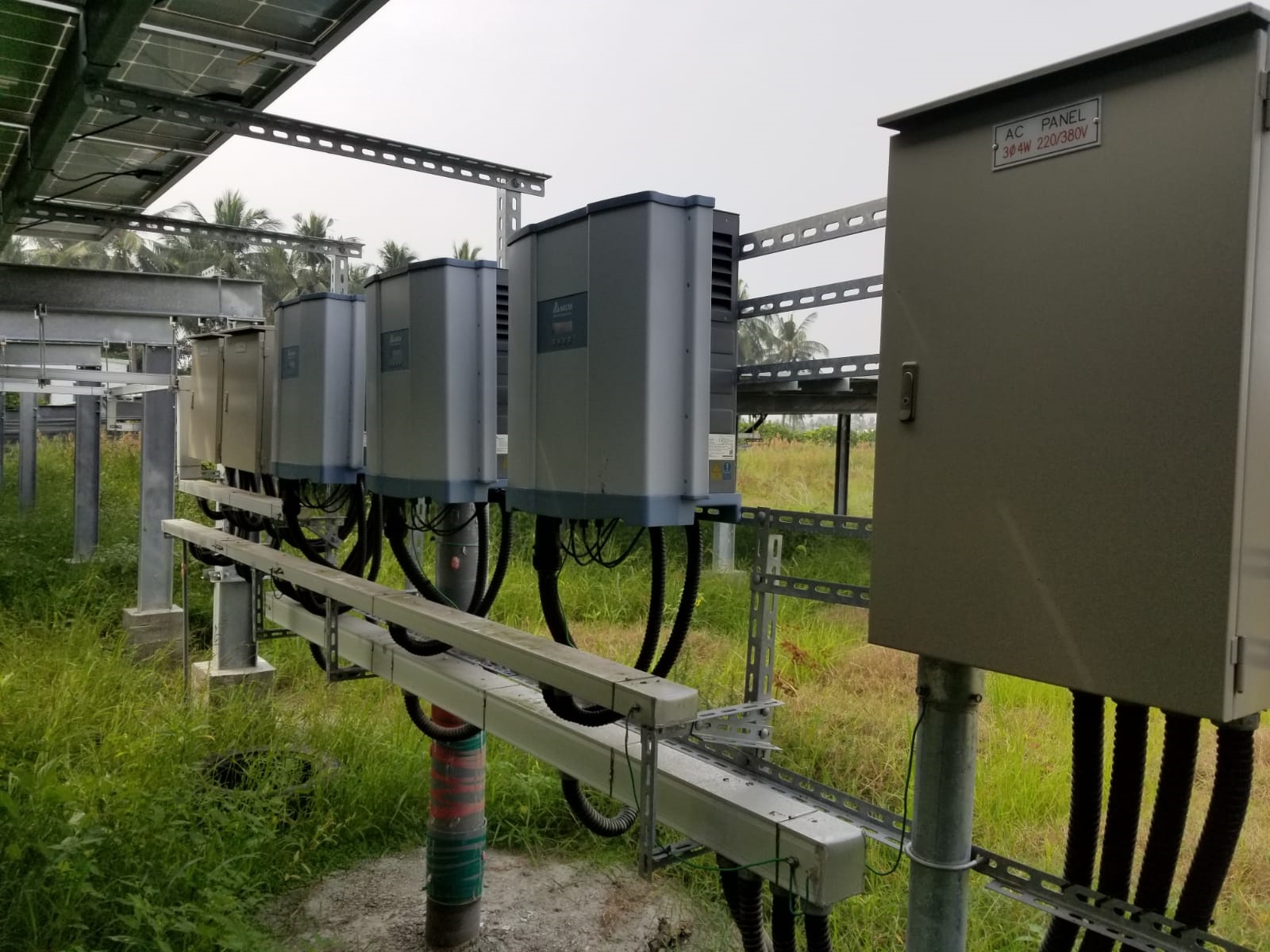
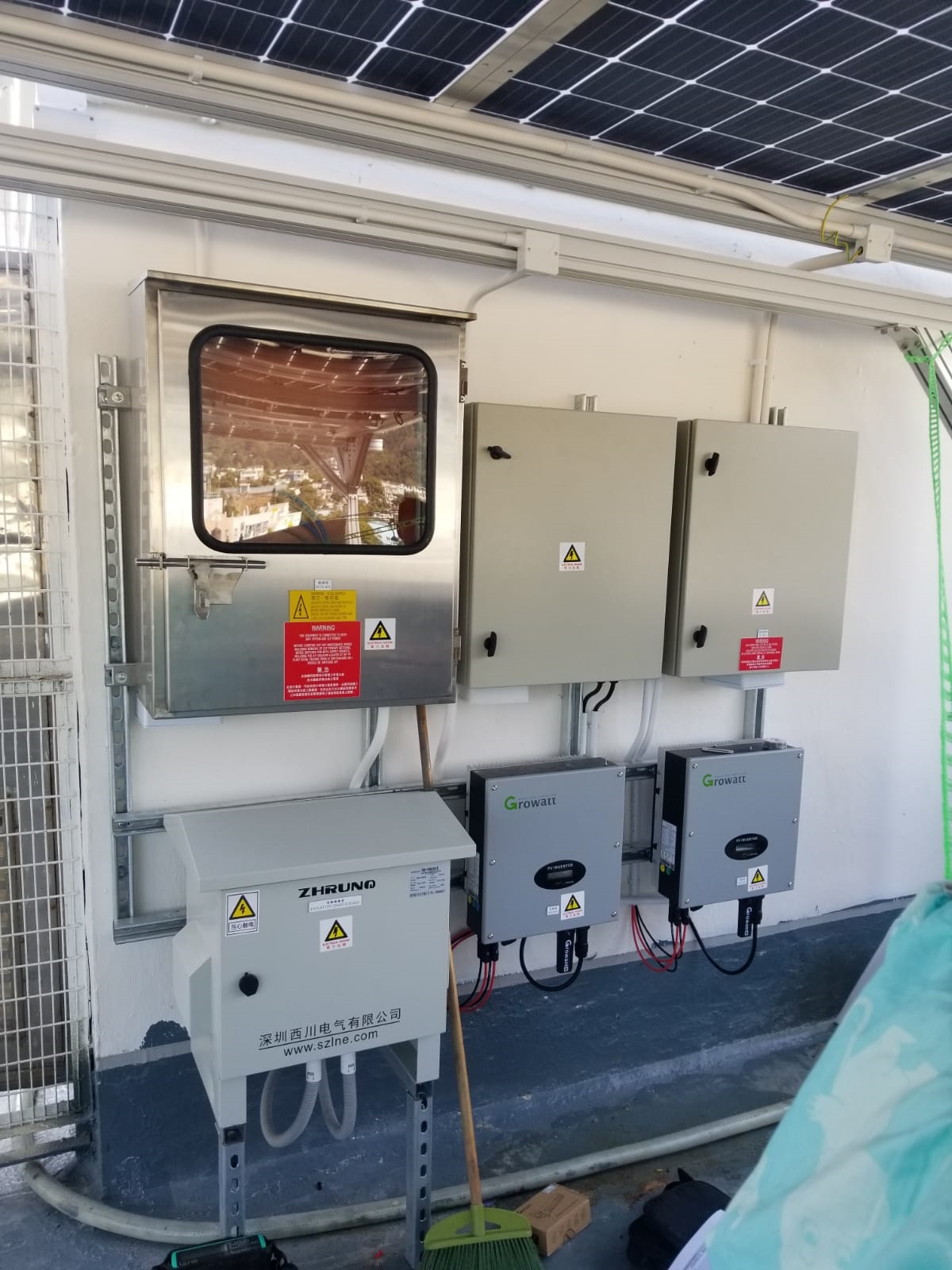
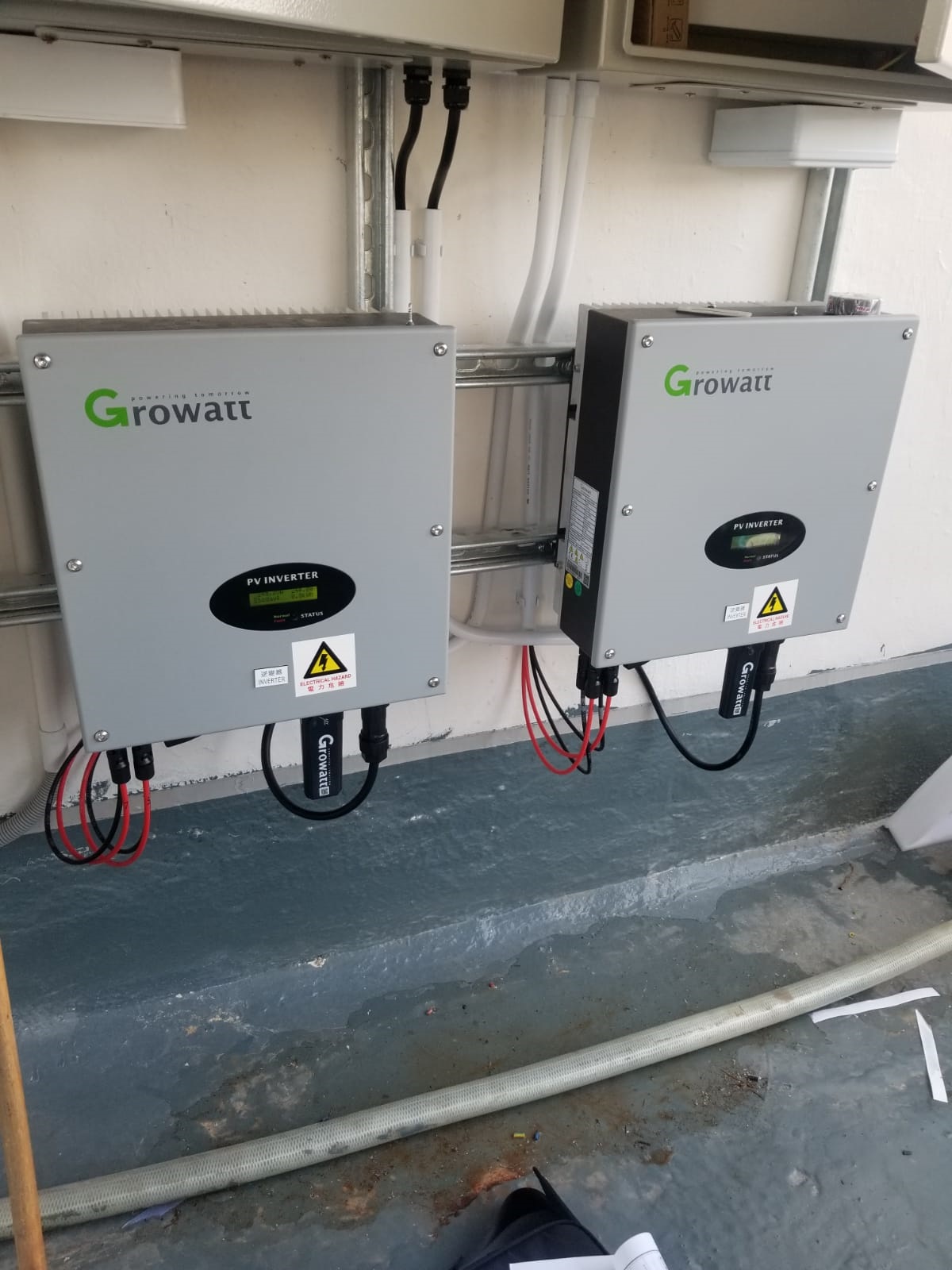
Conversion of direct power from solar energy plates to electricity exchange to back-up the building of electrical installations and grids.
Segregated switches, breakers and protective devices on the immediate and communication side ensured the maintenance and safe interception of power sources in emergency situations.
Participation in the feed-in tariff is subject to access to the electricity company ' s electricity grid, and the associated receptacle and electrical table are processed by the electricity company on application.
The direct flow and communication lines of rooftop to cables or appliances are subject to appropriate protection and marking, in line with the Electricity (line) Regulations.
Electrical and Mechanical Services Department, Department of Housing, General Administration, Programme and Fire Service, co-edited " Guidelines for the installation of solar energy PV systems " , providing general guidance to bought buyers, owners and installers
The solar energy power system is equipped with low-pressure/high-pressure power installations, which is performed by a registered electrical contractor under the Electricity Ordinance (Chapter 406), and the work of a registered electrical worker who is employed shall be carried out in accordance with the Code of Work and shall be tested and issued by WR1 upon completion.
If the power-generating facility is to be receptive to the power company ' s electricity grid, it must be registered with the Authority in accordance with the Electricity Regulations; however, if the solar energy power system is part of the fixed power plant of the Branch ' s Periodic Test Certificate (WR2), it is not necessary to register the facility separately.
Systems design, installation, operation and maintenance are subject to the Technical Guidelines of the Agency for Renewable Energy Power Power Systems Reconnection and the Guidance for the installation of solar energy photovoltaic systems and submit systems design, technical specifications, operating procedures and test information to the Electricity Corporation.
Only rooftop is accepted; it cannot exceed 2.5 m high; more than 1.5 m is certified by an accredited person and a security certificate is submitted to the General Administration; the average payload shall not exceed 150 kg per square metre; the continuous coverage shall not exceed half of the rooftop area; and all rooftop fabrics must be dismantled before installation.
In the private building rooftop is constructed to support the construction of solar energy PVV systems, which, if not more than 1.5 metres high, can be carried out through simplified provisions for the regulation of small-scale engineering.
Installation is subject to fire safety requirements and recommendations, such as rooftop escape routes and firefighting facilities, as detailed in the solar energy photovoltaic installation guidelines.
The above is a summary of the public information provided by the Government for general reference only, and individual projects are requested to follow the latest guidelines of the relevant departments, depending on the type of building and the situation on the ground.
Building rooftop is generally public, and its management and changes are governed by the Building Property Management Regulations (Chapter 344) and the building public order. The installation of solar energy systems involves changes in public use and continuous maintenance, which are to be determined by Owners’ Corporation or the administrator in terms of public access and procurement requirements.Owners’ Corporation to be informed of procurement solicitation。
solar energy plates and racks would increase the rooftop payload, with an average payload of up to 150 kilograms per square metre, in the case of the village house; other buildings should be assessed on a structural basis.
The Hong Kong Typhoon season, solar energy plates and wings must be secured, and the Board recommends that the Typhoon season ensure the security of the system and the building of the occupancy, and that all eligible persons be inspected and repaired as soon as possible after the Typhoon.
Building rooftop usually has rooftop water tank, mine-free devices and other equipment, while planning solar energy systems requires that water tank cleaning, cleaning,Pump SystemsMaintenance and evasion of the route of the mine device and avoidance of an impact on the route of escape.
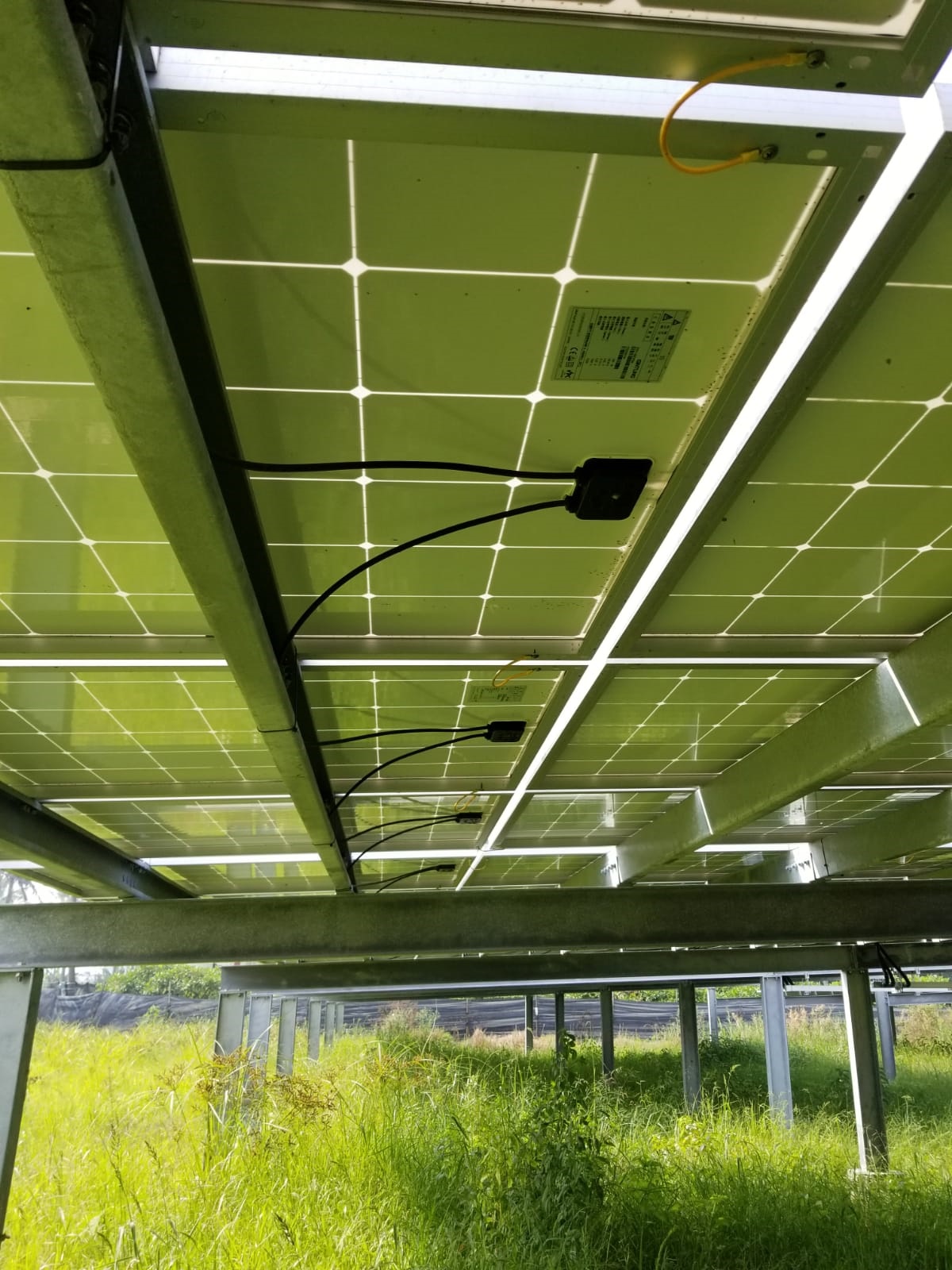
solar energy system receptacle to building electrical installations, whose safety depends on cooperation with main switchboards, appliances and protection devices
The capacity of building main switchboards and fittings and protection devices should be evaluated before the solar energy system is receptive, and the old main switchboard could be considered for replacement with solar energy engineering.
Learn about building main switchboard replacement →The solar energy system is part of a fixed power facility and is subject to regular inspections by WR2; the new code of work of the Authority also contains a project to check the installation of the renewable energy power system.
Learn about WR2 electrical inspections →rooftop circuits, segregated switches and protective devices, belonging to rooftopElectricity system installationandElectrical system retrofittingWR1 is required to work.
Information on the installation of the electricity systemIf the building is planned for electrical rising mains to replace or refurbishing the electrical system, the solar energy system can be re-engineered over the same period, reducing duplication of power cuts and works.
Learn about electrical rising mains replacement →ISA recommended that village occupants arrange regular check-ups and routine maintenance of solar energy power systems (including the construction of the underwriting system) on a regular basis each year; secure systems and building structures before the Typhoon season; and hire joint entrants for inspection and maintenance as soon as Typhoon has passed; other buildings should also refer to similar arrangements.
solar energy system maintenance and buildingElectricity system maintenanceFully arranged, as detailed in detailElectricity and water pump maintenance contract。
The village rooftop can install systems that do not exceed 2.5 metres under the provisions of the Board of Tenure without prior approval from the General Administration or the Department of Tenure.
rooftop belongs to the public sector and is subject to Owners’ Corporation ' s decision in public order; it is possible to supply electricity to public utilities such as public lighting, or to participate in feed-in tariff.
rooftop is large and can be considered for larger volume systems; it is necessary to cooperateCommercial Electricity ProjectandEngineering Electricity ProjectAssessment of main switchboard capacity.
Non-governmental agencies can participate in feed-in tariff rates;School Electricity ProjectWork is generally carried out in conjunction with holidays.
Yat Full provides solar energy systems design and installation to assist the industry in the use of renewable energy and to ensure safe and stable operation in conjunction with the electricity engineering profession.
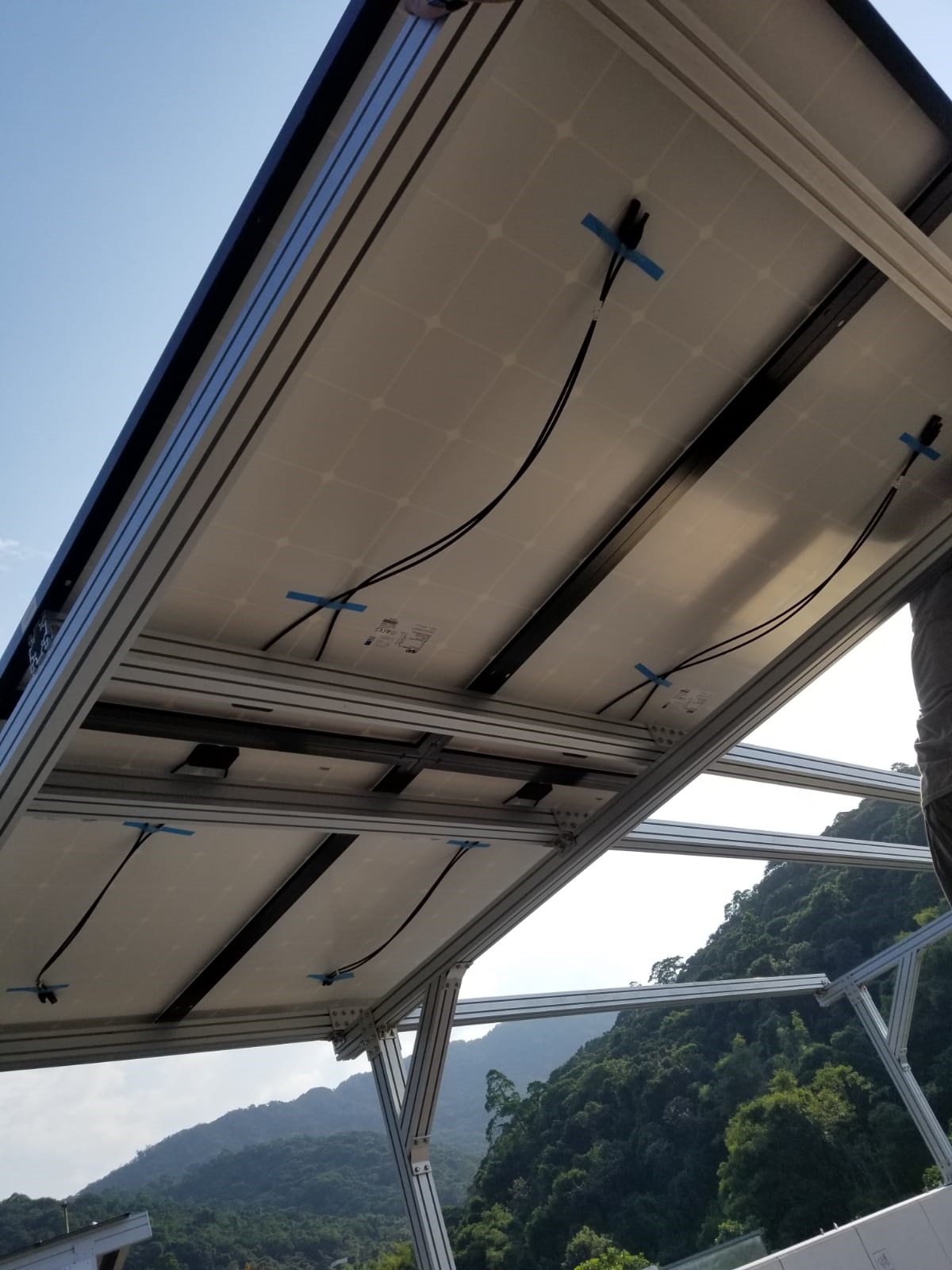
Electricity 3165 8142 or e-mail ip@yat-full.comProvides material type, rooftop information and uses.
Assessment of the area of rooftop, direction, lithium, existing facilities, and cables, main switchboard capacity.
System capacity, ranking and receptivity programmes are proposed, specifying the material specifications and the duration of work.
Owners’ Corporation or owners, by public order; applications to electricity companies for grid access and feed-in tariff; and procedures for building, land administration and registration of power facilities, as required.
Installation of racks, solar energy panels, reversers and electrical roads, tested by registered electrical worker and issued WR1.
In conjunction with the electricity company ' s receptacle and acceptance, annual check-ups and post-Typhoon inspections are arranged.
The feed-in tariff, which entered into force on 27 April 2002, is as follows: the system ' s power generation capacity is equal to or less than 10 kW at 4 yuan per latitude; it is up to 10 kW but not more than 200 kW at 3 yuan per latitude; the price charged by the project is the price to be applied when starting to participate in the plan, and the price of the feed-in tariff is subject to regular review.
Renewable energy systems have access to feed-in tariff rates throughout the life of the project until the end of 2002, i.e., the date of expiry of the Control Plan Agreement, and after three years, the power generated by the system will belong to the system owner.
Solar energy systems are equipped with low-pressure or high-pressure power installations, which are to be performed by a registered electrical contractor under the Electricity Ordinance (chap. 406) and are operated by a registered electrical worker employed by him or her in accordance with the working code.
If the power-generating facility is to be receptive to the electricity company ' s electrical grid, it is generally necessary to register it under the Electricity Regulations; however, the solar energy-power system is part of the fixed power plant of the branch Test Certificate (WR2) without separate registration of the power-generating facility.
According to ISA, the village rooftop solar energy power systems cannot exceed 2.5 m high, with over 1.5 m above certified by the accredited person and submitted a security certificate to the General Administration for storage; the average payload shall not exceed 150 kg per square metre; the rooftop area shall cover no more than half of the rooftop area when installed; and all rooftop fabrics must be dismantled prior to installation.
It may be, subject to the security requirements of the building, which, according to IGAD information, is constructed in private buildings rooftop to support solar energy photovoltaic systems, up to 1.5 metres high, through simplified provisions of the small engineering regulatory system, and the building of rooftop is a public-service component, as well as Owners’ Corporation or owner-approved under the Building Property Management Regulations and the public exchange.
Needs. ISA recommends that the village owners arrange regular inspections and routine maintenance of solar energy power systems (including building blocks) on a regular basis each year; before the typhoon season, the system and the construction of the building shall be secure and shall be inspected and repaired as soon as possible after the typhoon.
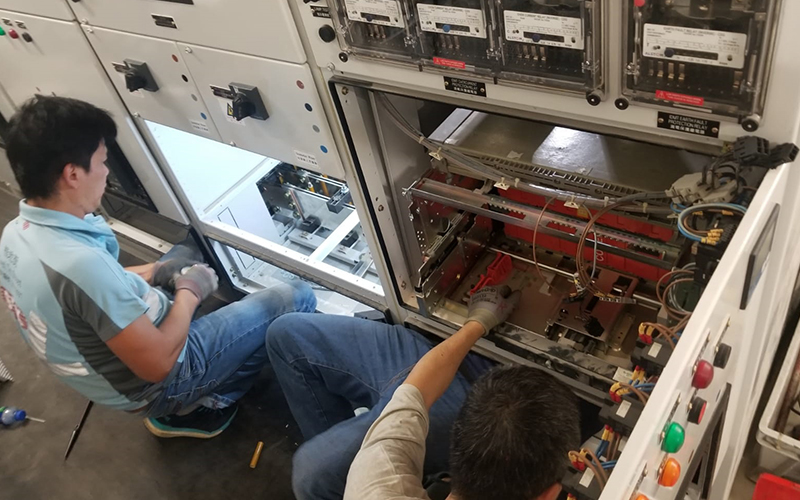
WR2 Electricity Inspection, electrical rising mains replacement, building main switchboard replacement and refurbishment of the electrical system.
For further information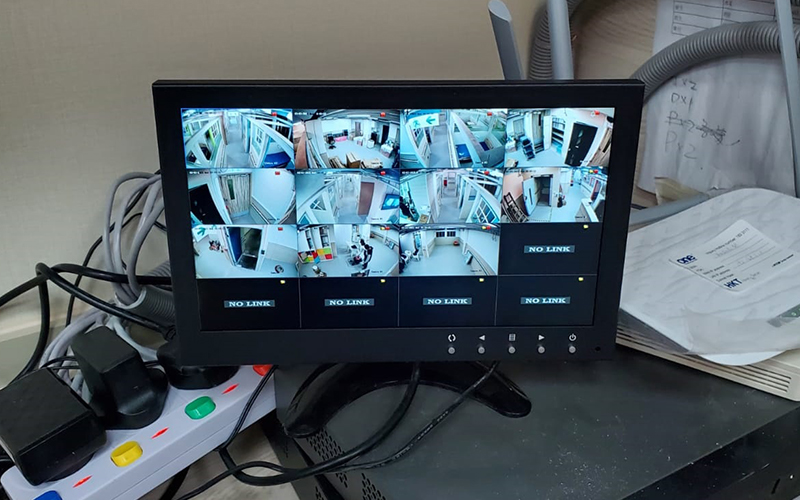
Building CCTV Monitoring System installation, upgrading and maintenance.
For further information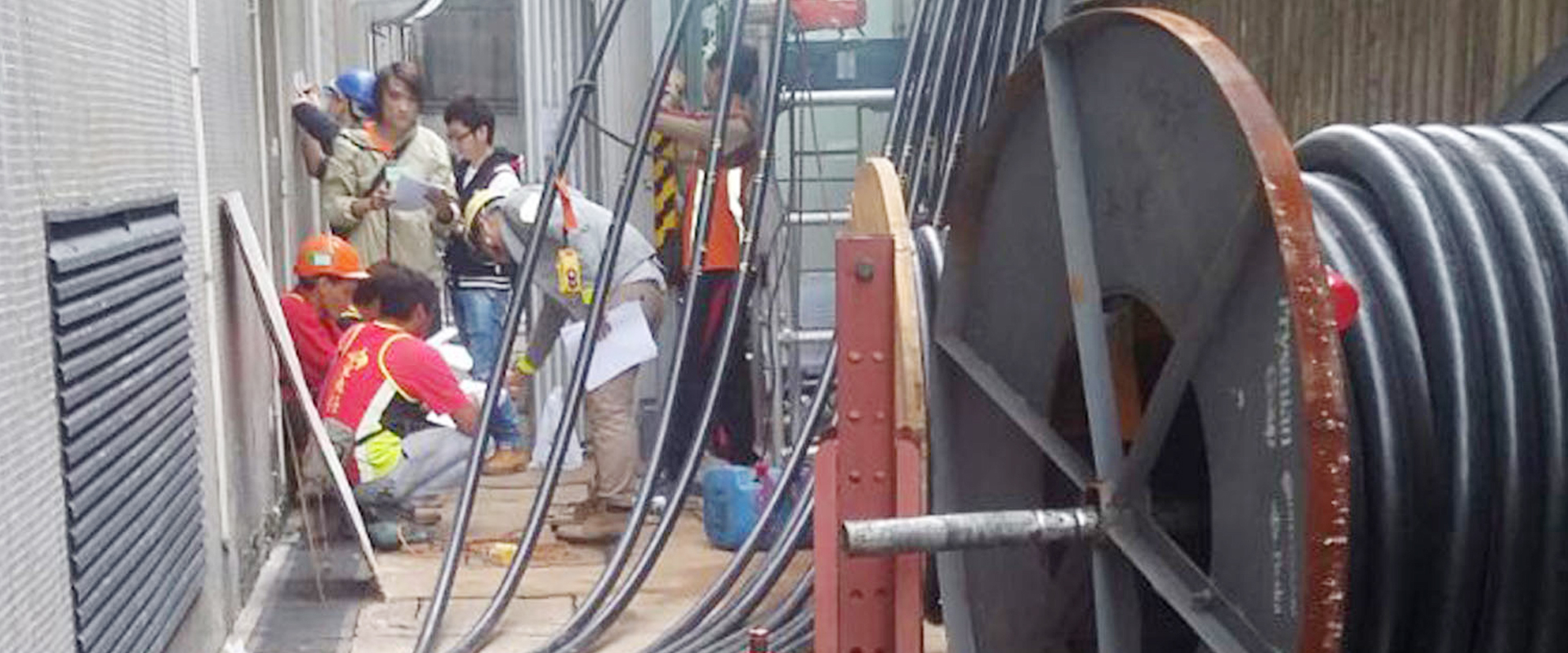
Main switchboard replacement, electrical rising mains engineering and WR2 checked live photographs.
hyperlinks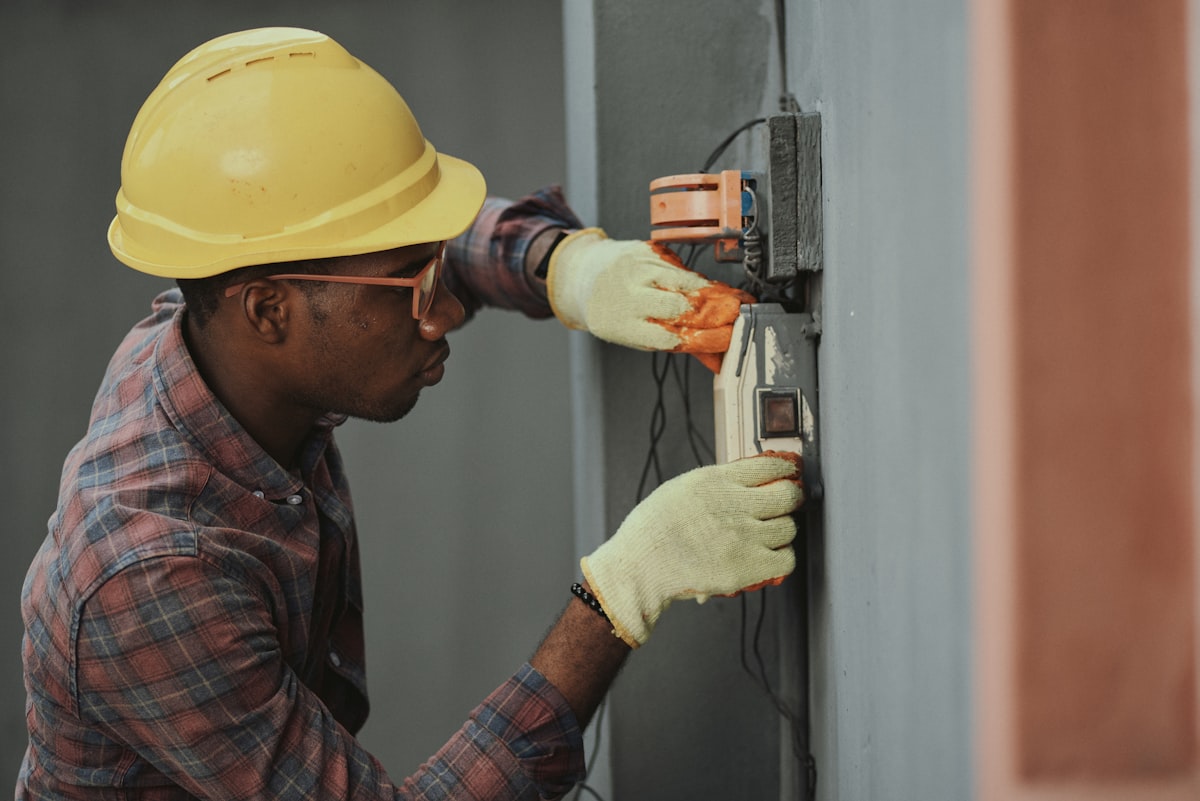
Owners’ Corporation and property management electricity and water pump maintenance contract, engineering tender support.
For further informationElectricity 3165 8142 or enquiries form, Yat Full provides solar energy systems programmes for your assessment of rooftop conditions and building of electricity systems.